
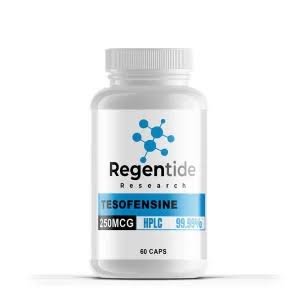
Buy Tesofensine 250mcg peptide high purity online REGENTIDE
Tesofensine is an investigational triple monoamine reuptake inhibitor studied for its potential effects on appetite regulation, energy expenditure, and body weight management. It affects three key neurotransmitters in the brain:
- Serotonin (5-HT)
- Dopamine (DA)
- Norepinephrine (NE)
Because of this multi-pathway activity, tesofensine has been researched primarily in the context of obesity and metabolic control rather than neurological disease treatment.
What is Tesofensine?
Tesofensine (NS2330) is a compound originally developed for neurological conditions such as Alzheimer’s and Parkinson’s disease. During early trials, researchers observed a consistent side effect: significant weight loss in participants, particularly in individuals with overweight or obesity profiles.
This observation shifted research focus toward metabolic and appetite-related applications. (Wikipedia)
It is classified as a serotonin-noradrenaline-dopamine reuptake inhibitor (SNDRI), meaning it increases the availability of these neurotransmitters in the brain, which are involved in hunger signaling and satiety control.
Why “250mcg Tesofensine” is commonly mentioned
The term “Tesofensine 250mcg (60 capsules)” typically appears in:
- Research chemical listings
- Compounded capsule discussions
- Informal biohacking communities
- Non-pharmaceutical marketplaces
In research contexts, 250mcg is often described as a low-range exploratory dose used in study protocols, not a standardized medical prescription.
However:
👉 These are not approved pharmaceutical dosing instructions
👉 There is no officially sanctioned consumer capsule product for tesofensine
How Tesofensine works
Tesofensine influences appetite and metabolism through central nervous system pathways:
1. Appetite suppression
It reduces hunger signals by increasing serotonin and dopamine activity.
2. Increased satiety
Users in clinical studies reported feeling full faster and eating smaller portions. (GenOracle)
3. Energy expenditure
Research suggests it may slightly increase resting metabolic rate, contributing to fat loss over time. (New England Functional Medicine)
4. Reduced food cravings
Studies show reduced desire for high-sugar and high-fat foods. (New England Functional Medicine)
Clinical research results
Tesofensine has been studied in Phase II clinical trials for obesity management.
Key findings include:
- Significant weight loss over 24 weeks compared to placebo
- Average reductions ranging from mild to double-digit kilogram losses depending on dose group
- Strong appetite suppression effects in participants
- Improvements in satiety and reduced caloric intake
In some clinical studies, higher dose groups showed substantially greater weight reduction than placebo groups over a 6-month period. (Lindgren Functional Medicine)
However, these results are strictly from controlled clinical environments, not consumer use.
Regulatory status
As of now:
- Tesofensine is not FDA-approved
- It is not approved in the UK or EU
- It remains an investigational drug in obesity research
- It is not legally available as a prescription medication
It has been evaluated in clinical trials but has not reached general pharmaceutical approval.
Safety and side effects (from studies)
Reported side effects in research settings include:
- Dry mouth
- Insomnia
- Nausea
- Headache
- Constipation or diarrhea
- Increased heart rate
In clinical trials, some dose-dependent increases in heart rate and mild blood pressure changes were observed. (Wikipedia)
Because it affects multiple neurotransmitters, it may also influence:
- Mood
- Sleep patterns
- Energy levels
Risks of unregulated “250mcg capsule” products
Products marketed as “Tesofensine 250mcg (60 capsules)” outside regulated channels may involve:
- Mislabeling of active ingredient concentration
- No pharmaceutical manufacturing standards
- Unknown purity or contamination risk
- Inconsistent dosing per capsule
- No medical oversight or clinical monitoring
Even when labeled “research grade,” these are not equivalent to approved medicines.
Why tesofensine is gaining attention
Interest in tesofensine continues because:
- Early trials showed strong weight-loss potential
- It targets multiple appetite pathways simultaneously
- It may outperform some older obesity drugs in early data
- It is widely discussed in metabolic research communities
Clinical publications have noted weight loss significantly greater than placebo in controlled studies. (Invest in my Health Corp)
Evidence-based alternatives
For safe and legal metabolic support, consider:
Prescription options (doctor supervised)
- Approved GLP-1 therapies
- Other clinically validated weight management treatments
Lifestyle-based strategies
- Calorie-controlled nutrition
- Strength and resistance training
- Cardiovascular exercise
- Sleep and stress optimization
These approaches remain the most reliable long-term method for metabolic health.
SEO strategy tip (important)
To rank safely for this keyword, avoid:
Instead use:
- “Tesofensine 250mcg: What It Is and How It Works”
- “Tesofensine for Weight Loss: Research and Safety Explained”
- “Tesofensine vs Semaglutide: Full Comparison Guide”
This helps you:
- Capture high-intent search traffic
- Avoid compliance issues
- Build long-term authority in the metabolic niche
Bottom line
Tesofensine is a research-stage appetite suppressant compound that has shown promising weight-loss effects in clinical studies, but it is not approved for medical or consumer use, and “250mcg capsule” products are typically non-regulated interpretations of research material rather than standardized pharmaceutical treatments.