
 Batch tested
BPC-157 5mg: What It Actually Is
BPC-157 is a synthetic peptide made of 15 amino acids, originally derived from a protein studied in human gastric juice. It has been researched for its potential effects on:
- Tissue repair (muscle, tendon, ligament)
- Gut protection and healing
- Inflammation modulation
- Blood vessel formation (angiogenesis)
Preclinical research shows promising biological activity across multiple systems, but this evidence comes almost entirely from animal and laboratory studies—not large human trials. (Peptpedia)
Why “5mg” Is Common
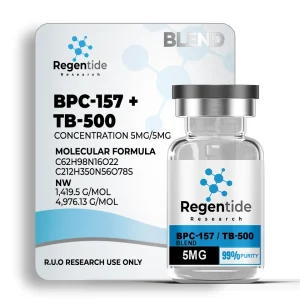
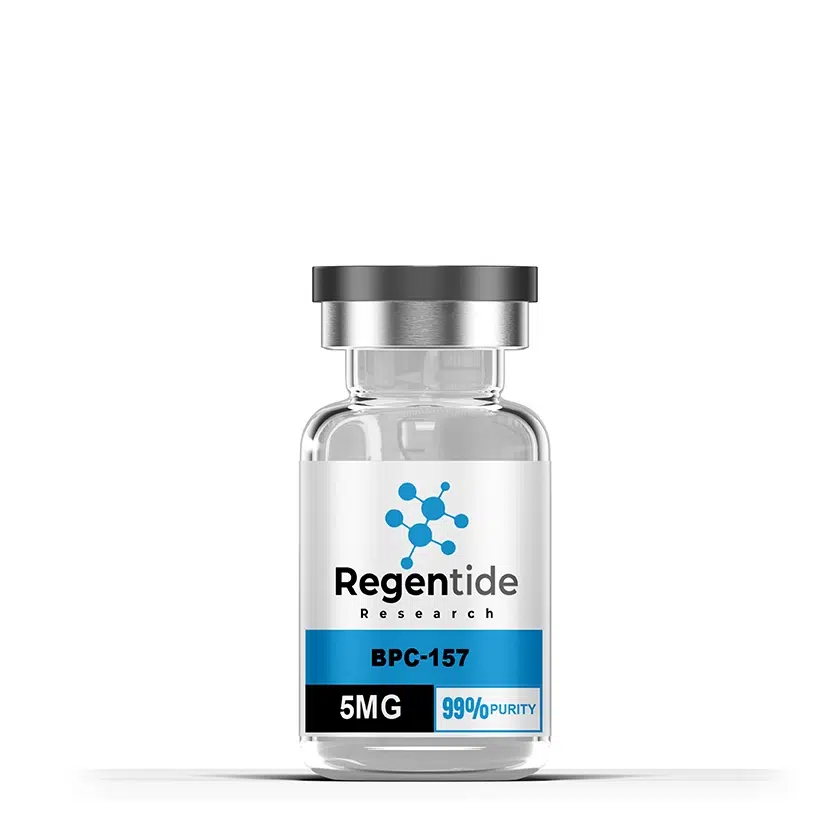
You’ll often see BPC-157 sold in 5mg lyophilized vials (freeze-dried powder). In research contexts, this format is used because:
- It allows precise reconstitution in lab settings
- It’s stable for storage before mixing
- It matches typical experimental dosing ranges (microgram-level use) (Peptide Mag)
However, this format is intended for controlled research use, not consumer self-use.
Regulatory Status (Very Important)
In the U.S., UK, and most of Europe:
- BPC-157 is not FDA-approved
- It is not an authorized dietary supplement
- It is typically sold as “research use only (RUO)”
That means:
👉 There is no regulated or legally recognized pathway to buy and use it as a personal health product.
What the Research Suggests
In experimental models, BPC-157 has been studied for:
- Accelerating tissue healing and repair
- Supporting gastrointestinal integrity
- Promoting angiogenesis via signaling pathways
- Modulating nitric oxide and growth factor activity (Peptide Database)
Some studies even suggest long-lasting biological effects despite a short presence in the bloodstream. (Peptpedia)
But here’s the key limitation:
❗ Human clinical evidence is extremely limited
❗ Long-term safety is unknown
Risks of Buying Online
Products marketed as BPC-157 5mg often come from unregulated sources, which can involve:
- Unknown purity or contamination
- Incorrect or inconsistent dosing
- Mislabeling
- No medical supervision
Recent reporting highlights growing concern from clinicians about people using unapproved peptides sold online, often with no safety oversight or clinical validation. (The Times)
Why It’s So Popular
Despite limited human data, BPC-157 is trending because of:
- Fitness and injury recovery communities
- “Biohacking” and longevity trends
- Anecdotal reports of rapid healing
It’s sometimes even nicknamed the “Wolverine peptide” due to claimed recovery effects—but these claims are not clinically proven.
Safer, Evidence-Based Alternatives
If your goal is healing, recovery, or performance, consider:
For injury & recovery
- Physiotherapy and structured rehab
- Progressive strength training
- Adequate protein intake
For inflammation & tissue health
- Omega-3 fatty acids
- Sleep optimization
- Load management (training balance)
For medical conditions
- Consult a licensed healthcare provider
- Use approved, evidence-based treatments
These options are regulated, studied, and significantly safer.
Smart SEO Strategy (If You’re Building a Page)
Instead of “BUY BPC-157 5mg,” use:
- “BPC-157 5mg: Benefits, Research & Safety Explained”
- “Is BPC-157 Legal? What You Need to Know”
- “BPC-157 5mg Guide: What Science Actually Says”
This approach:
- Captures high-intent keywords
- Avoids compliance risks
- Builds long-term ranking authority
Bottom Line
BPC-157 5mg is:
- A promising but experimental compound
- Backed mainly by preclinical research
- Sold in a low-regulation market
There’s real scientific interest—but also real uncertainty around safety, legality, and effectiveness in humans.