
 Batch tested
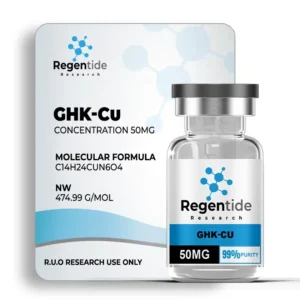
GHK-Cu 50mg: Research, Uses, Safety, and What You Need to Know
GHK-Cu is a naturally occurring copper-binding tripeptide found in human plasma, saliva, and tissue. It has attracted significant interest in regenerative biology and cosmetic research due to its role in tissue repair, skin biology, and cellular signaling.
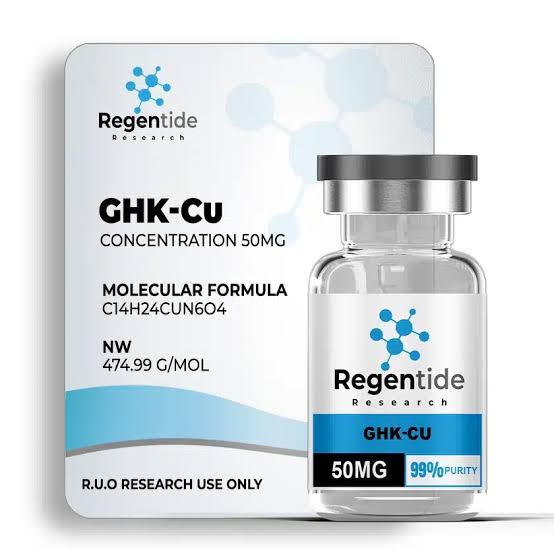
In supplement markets, it is often sold in 50mg lyophilized vials, but these products are intended strictly for laboratory research.
What is GHK-Cu?
GHK-Cu (glycyl-L-histidyl-L-lysine copper complex) is a small peptide that binds copper ions. It was first identified in human plasma and later studied for its role in biological repair processes.
Research has focused on its potential involvement in:
- Collagen synthesis and extracellular matrix remodeling
- Wound healing and tissue regeneration pathways
- Antioxidant defense mechanisms
- Gene expression regulation in skin and connective tissue (MEDICA DEPOT)
Because of these properties, it is widely studied in dermatology and regenerative science.
Why is GHK-Cu sold as 50mg vials?
In research settings, GHK-Cu is typically supplied as:
- 50mg lyophilized (freeze-dried) powder
- High purity (often ≥98–99%)
- Stored for laboratory reconstitution in controlled environments (Chameleon Peptides)
The 50mg format is standard because it allows researchers to prepare multiple test concentrations for experimental work.
However, these products are explicitly labeled:
“For research use only. Not for human consumption.” (The Clav Stack)
What does the research say?
Studies on GHK-Cu have explored its potential biological effects, including:
- Activation of skin repair and remodeling genes
- Support of collagen and glycosaminoglycan production
- Modulation of inflammation-related pathways
- Antioxidant activity through copper-dependent enzymes (GenX Peptides)
It is also studied in aging biology because natural GHK-Cu levels appear to decline with age.
However, most evidence comes from laboratory or preclinical research, not large-scale human clinical trials.
Is GHK-Cu approved for human use?
No.
- It is not FDA-approved as a drug
- It is not an approved dietary supplement
- It is sold in most markets as a research chemical only
Regulators do not currently recognize it as safe or effective for medical treatment or supplementation.
Risks of buying research peptides online
Products marketed as GHK-Cu 50mg may involve:
- Variable purity or contamination risk
- Mislabeling or incorrect concentration
- Lack of sterility or quality control
- No clinical safety validation for human use
Even when third-party testing is advertised, results apply only to specific batches, not all products on the market.
Why GHK-Cu is popular
Interest in GHK-Cu has grown due to:
- Cosmetic and skin-repair research
- “Anti-aging” discussions in biohacking communities
- Studies linking it to collagen and tissue regeneration pathways
It is often referred to in online communities as a “skin-repair peptide,” but these claims are not clinically validated for consumer use.
Evidence-based alternatives
If your goal is skin health, recovery, or anti-aging support, safer and proven options include:
Skin and collagen support
- Vitamin C intake (collagen synthesis support)
- Retinoids (clinically studied for skin renewal)
- Sunscreen (most effective anti-aging intervention)
General recovery and health
- Protein-rich diet
- Adequate sleep and hydration
- Resistance training for tissue strength
These approaches are regulated, well-studied, and safe for long-term use.
SEO strategy tip (important)
To rank safely in Google, avoid direct transactional phrasing like:
❌ “Buy GHK-Cu 50mg”
Instead use:
- “ 50mg: Benefits, Research, and Safety Explained”
- “Is GHK-Cu Legal? What You Should Know”
- “ Peptide Guide for Skin and Tissue Research”
This allows you to:
- Capture high-intent traffic
- Avoid compliance risks
- Build long-term topical authority
Bottom line
is a research-grade peptide used in laboratory studies of tissue repair and skin biology. While it shows interesting biological activity in research, it is not approved for human use, and products sold online are intended for research purposes only.