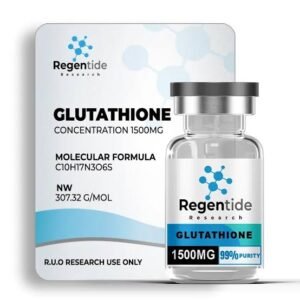


Buy SS-31 5mg peptide high purity online REGENTIDELAB
SS-31 (also known as Elamipretide or MTP-131) is a synthetic mitochondria-targeting tetrapeptide studied in biomedical research for its effects on cellular energy production, oxidative stress, and mitochondrial stability.
It is not an over-the-counter supplement and is not approved as a general consumer product.
What is SS-31?
is a small peptide designed to selectively target the inner mitochondrial membrane, where it binds to a lipid called cardiolipin. This interaction is central to its proposed biological activity.
By stabilizing cardiolipin, SS-31 is studied for its ability to:
- Improve mitochondrial energy production (ATP synthesis)
- Reduce oxidative stress at the cellular level
- Support electron transport chain efficiency
- Protect mitochondrial structure under stress conditions
Its unique feature is that it accumulates directly inside mitochondria at much higher concentrations than in the surrounding cell environment, making it highly targeted in research contexts.
Why “5mg SS-31” is commonly mentioned
The term “SS-31 5mg” typically refers to:
- Research-grade lyophilized (freeze-dried) vial quantity
- Laboratory packaging used for experimental work
- Not a standardized human dosing unit
In research supply chains, SS-31 is often sold in 5mg or 10mg vials for laboratory use only, not as a medication. (Peptide Official Website)
Important distinction:
👉 “5mg” refers to vial content, not a medical prescription dose
👉 It is used for controlled experimental preparation, not consumer use
How it works (mechanism of action)
SS-31 is part of the “Szeto–Schiller peptide” family, designed to interact directly with mitochondria.
1. Cardiolipin binding
binds to cardiolipin in the inner mitochondrial membrane, stabilizing its structure.
2. Electron transport optimization
It helps improve efficiency of the electron transport chain, reducing energy loss.
3. Oxidative stress reduction
By stabilizing mitochondrial membranes, it may reduce reactive oxygen species (ROS) production.
4. ATP production support
Improved mitochondrial efficiency can support ATP generation in research models.
What research shows so far
SS-31 has been studied in preclinical models and limited clinical research settings. Findings include:
- Improved mitochondrial function in damaged tissues
- Better cellular energy output in experimental models
- Reduced oxidative damage in heart and muscle tissue studies
- Potential improvements in endurance and fatigue markers in clinical research contexts
Some human studies (not broad consumer use trials) have explored SS-31 in conditions involving mitochondrial dysfunction, but results vary depending on indication. (Peptide Treatments)
Regulatory status (very important)
SS-31 is:
- Not FDA-approved as a general medication
- Not approved in the EU or UK for consumer use
- Investigational or restricted to clinical research environments
- In some cases studied under specialized medical trials
In limited contexts, Elamipretide has received specific regulatory approvals for rare conditions, but it is not broadly available as a general treatment. (Peptide Treatments)
Safety considerations
is not a standard commercial medicine, safety data is limited outside controlled research.
Key considerations:
- No established consumer dosing guidelines
- Limited long-term safety data in general populations
- Unknown effects outside clinical protocols
- Variable results depending on indication and delivery method
Most safety information comes from controlled clinical or research environments, not general use.
Risks of unregulated products”
Online listings labeled “SS-31 5mg” may involve:
- Non-pharmaceutical grade manufacturing
- Mislabeling of concentration or purity
- No sterility assurance
- No regulatory oversight
- Inconsistent or unknown compound quality
Even if labeled “research grade,” these products are not equivalent to regulated pharmaceuticals.
Why SS-31 is widely studied
Research interest in SS-31 comes from its focus on mitochondrial function, which is central to many biological processes, including:
- Cellular energy production
- Age-related metabolic decline
- Tissue repair mechanisms
- Heart and muscle energy efficiency
Because mitochondria are involved in nearly all energy-dependent systems in the body, SS-31 is frequently studied in cardiovascular, neurological, and metabolic research contexts.
Evidence-based alternatives
For safe and regulated approaches to energy and mitochondrial health:
Medical options (doctor-guided)
- Clinical evaluation for fatigue or metabolic disorders
- Approved therapies where medically indicated
Lifestyle-based approaches
- Regular aerobic exercise (mitochondrial biogenesis stimulation)
- Resistance training
- Balanced nutrition (adequate protein and micronutrients)
- Sleep optimization
These have strong human evidence supporting mitochondrial function improvements.
SEO strategy tip (important)
To rank safely for this keyword, avoid:
Instead use:
- “ What It Is and How It Works”
- “Elamipretide (SS-31) Explained: Research & Mitochondria Guide”
- “SS-31 Benefits, Mechanism & Safety Overview”
This helps you:
- Capture high-intent search traffic
- Avoid policy and advertising restrictions
- Build long-term authority in peptide/mitochondrial content
Bottom line
(Elamipretide) is a mitochondria-targeting research peptide studied for its role in cellular energy production and oxidative stress reduction. While scientifically important, it remains restricted to research and specialized clinical contexts, and “5mg” refers only to laboratory vial quantity—not consumer dosing.